Insurance for tanks, tankers and liquid cargo
Last reviewed: 18 October 2026
Businesses that store or move liquids, gases and chemicals face risks that standard policies may not cover well, such as leakage, contamination, fire and explosion. Tank insurance is usually a combination of covers, chosen according to what you need to protect.
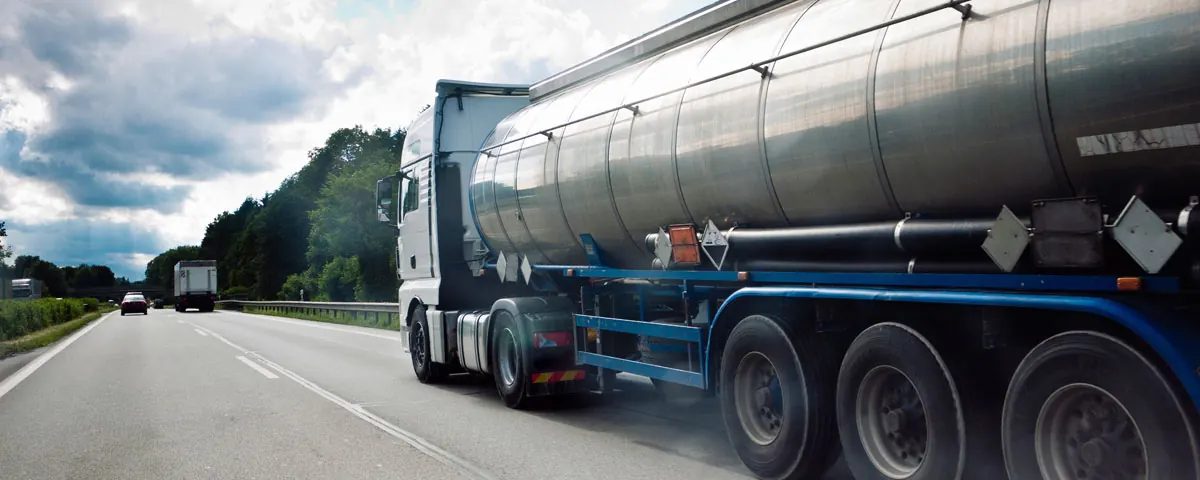
Storage tanks at a plant or terminal are insured under a fire and allied perils policy. Liquid cargo moving in tankers or ISO tank containers is insured under a marine or inland transit policy, where leakage and contamination can be added. The tanker truck itself is insured under a commercial vehicle policy.
Tell us what you store or transport, the quantities and the route. We will work out which covers you need so there are no gaps between the tank, the vehicle and the product.
Benefit of Service
- Protection Against Accidents & Damages
- Fire & Explosion Coverage
- Leakage & Spill Protection
- Theft & Operational Risk Coverage
- Tanker Vehicle Protection
Calculator
Insurers We Work With





More information
Sources and further reading
- IRDAI policyholder information portal
- Insurance Regulatory and Development Authority of India (IRDAI)